
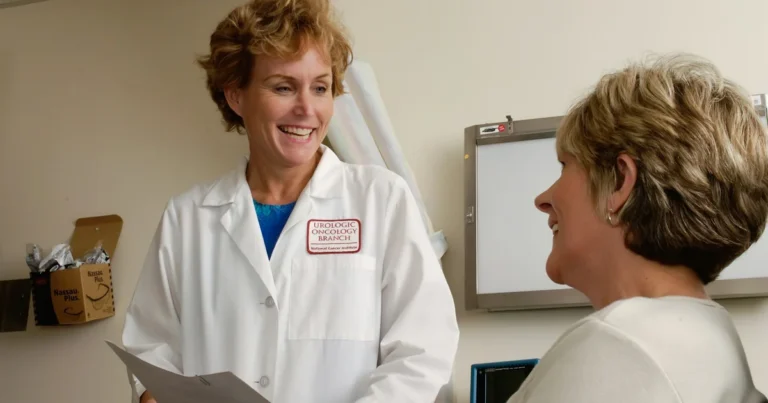
Acute care visits are short-notice medical appointments for new illnesses, sudden symptoms or minor injuries that need attention soon but are not emergencies. They sit between a routine checkup, which is planned in advance, and an emergency room visit, which is for serious or life-threatening problems.
People often book a same-day medical appointment for things like a painful sore throat, a fever that will not settle, a burning feeling when urinating or a new rash. Acute illness care helps you get a proper diagnosis and a clear plan before a manageable problem becomes a bigger one.
An urgent primary care visit suits many sudden concerns, but not all of them. How severe your symptoms are and your overall health decide the right level of care. At Millennium Medical Center & Spa in Falls Church, Virginia, we see acute care patients by appointment, usually the same or next day when you call. If your symptoms seem severe or life-threatening, call 911 or go to the nearest emergency room. Do not wait for an appointment.
What Conditions Can Be Treated During an Acute Care Visit?
An acute care visit can assess many sudden, non-emergency health problems, including respiratory symptoms, suspected minor infections, mild stomach upsets, urinary symptoms, skin concerns and minor injuries. The physician decides whether your condition can be safely managed in the clinic after reviewing your symptoms and medical history. At our practice, Dr. Shayma can run rapid strep, flu and COVID-19 tests and a urinalysis on-site when they are clinically indicated.
Common examples include:
- Respiratory symptoms: cough, sore throat, stuffy or runny nose, sinus pressure and earache.
- Suspected minor infections: symptoms that may point to strep throat, the flu, COVID-19, a sinus infection or a skin infection.
- Mild gastrointestinal symptoms: nausea, vomiting or diarrhea that is not severe and is not causing signs of dehydration.
- Urinary symptoms: pain or burning when urinating, needing to go more often, or cloudy urine. These are common signs of a urinary tract infection (UTI), according to the CDC.
- Minor skin concerns: new rashes, itching, irritation or a small area of redness.
- Minor injuries: a mild sprain, a small cut or a minor burn that does not appear to need emergency treatment.
- New or worsening symptoms: a headache that is unusual for you, dizziness or a fever without a clear cause.
A visit does not guarantee a particular test, diagnosis or prescription. For example, colds and many sore throats are caused by viruses, and the CDC explains that antibiotics do not work on viruses and can cause side effects. A good provider will explain why a treatment is or is not recommended.
When Should You Visit an Acute Care Provider?
Book an acute care appointment when a new or worsening symptom needs medical attention sooner than your next routine visit, but does not look like an emergency.
You may benefit from an acute care visit if:
- A symptom has started suddenly. For example, a sore throat with fever that came on overnight.
- Symptoms are getting worse or not improving. A cough that has lingered or is getting heavier deserves a check.
- The problem is affecting daily life. Pain, fatigue or discomfort that stops you from working, sleeping or caring for others is worth assessment.
- You suspect an infection. Early assessment helps the provider decide whether testing or treatment is needed.
- You cannot wait weeks for a routine appointment. Acute care is designed for problems that need a timely answer.
A same-day medical appointment may be appropriate when symptoms are new, uncomfortable and stable. Your existing health conditions also matter. A person with diabetes, a weakened immune system or a heart condition may need to be seen sooner than someone without these conditions. If you are unsure, call us and describe your symptoms. MedlinePlus also suggests calling your provider or a nurse advice line when you are not sure where to go and your symptoms are not on the emergency list.
What Symptoms Require Same-Day Medical Attention?
Symptoms that are new, persistent or worsening often warrant same-day medical assessment, especially when they interfere with normal activities. Severe symptoms need emergency care instead.
Symptoms that may justify a same-day visit include:
- Fever that lasts more than a day or two, or keeps returning.
- A new cough, or a cough that is getting worse.
- Painful urination or other new urinary symptoms.
- Vomiting or diarrhea that continues, especially if you are struggling to keep fluids down.
- A new rash or skin irritation, particularly if it is spreading.
- Mild to moderate pain, such as ear pain or pain after a minor injury.
- Any symptom that is stopping you from carrying out your normal day.
Your age, medical history and any other symptoms all affect how urgent a symptom is. For example, a mild fever in a healthy adult is different from a fever in an older adult who also feels confused.
Emergency warning signs: do not wait for an appointment
Call 911 or go to the emergency room right away for symptoms such as:
- Severe difficulty breathing or shortness of breath.
- Chest pain or pressure that is severe or does not go away.
- Signs of stroke, such as sudden numbness or weakness on one side of the body, sudden confusion, trouble speaking, trouble seeing or trouble walking.
- Severe or uncontrolled bleeding.
- Fainting or loss of consciousness.
- A seizure, a severe allergic reaction with swelling or trouble breathing, or coughing or vomiting blood.
MedlinePlus lists these and other signs that need emergency care, including a high fever with a stiff neck and vomiting or diarrhea that will not stop.
What Should You Expect During an Acute Care Appointment?
An acute care appointment usually follows three stages: preparing before you arrive, a focused assessment with the provider, and clear instructions afterward.
Before the appointment
- Note your main symptoms and when they started.
- Write down whether they have changed, improved or worsened.
- Make a list of your medications, supplements and allergies.
- Gather relevant medical history, such as chronic conditions or recent surgery.
- Call ahead. Many practices, including ours, see acute care patients by appointment rather than as walk-ins.
During the appointment
- You describe your symptoms and concerns.
- The provider reviews your medical history and current medications.
- The provider carries out a physical examination or other assessment where appropriate.
- You discuss whether any tests are needed, such as a rapid throat swab or a urine test.
- You go through possible treatment options and next steps.
After the appointment
- Follow the provider’s instructions.
- Take any prescribed medication exactly as directed.
- Ask when follow-up care is needed and how to arrange it.
- Seek further care if symptoms get worse or new warning signs appear.
Not every acute care visit includes laboratory tests, imaging, a prescription or a referral. Some visits end with advice on home care and a plan for what to watch. That can be the right outcome when the evidence does not support more treatment.
How Do Acute Care Visits Differ From Emergency Room Visits?
Acute care visits handle suitable, non-emergency concerns that need prompt attention. Emergency rooms evaluate and treat potentially life-threatening or serious conditions. The table below shows the main differences.
| Comparison | Acute Care Visits | Emergency Room Visits |
| Primary purpose | Assess and manage suitable acute, non-emergency concerns | Evaluate and treat potentially life-threatening or serious conditions |
| Typical concerns | New illnesses, minor infections and other appropriate non-emergency symptoms | Severe injuries, serious breathing problems, suspected stroke or other emergencies |
| Timing | Often available through same-day or short-notice appointments, depending on the practice | Designed for emergency assessment and treatment |
| Level of care | Varies with the provider’s capabilities and the patient’s condition | Provides emergency evaluation and treatment |
| When to choose | When symptoms need prompt assessment but do not appear to be an emergency | When symptoms are severe, potentially life-threatening or need emergency intervention |
Acute care is not a substitute for emergency services. If you think your symptoms could be an emergency, go to the emergency room or call 911 rather than trying to book an appointment first.
For a closer look at where primary care fits, our guide to internal medicine vs. urgent care in the DC Metro Area explains when each option makes sense.
Choosing the Right Acute Care Provider
The right provider for an urgent primary care visit is qualified, clear about what they can treat and honest about when you need a different level of care.
Look for:
- Appropriate qualifications: a licensed physician or clinician with training in adult medicine.
- Same-day availability: whether the practice keeps short-notice appointments open.
- Clear scope of services: which conditions it assesses and which tests it can do on site.
- Clear booking rules: whether it accepts walk-ins, requires appointments and how follow-up works.
- Open communication about costs: how insurance, self-pay and testing fees work.
- A referral process: how the practice refers you on when you need imaging, a specialist or emergency care.
Do not assume every acute care provider offers the same services. Call the practice to confirm before you go.
Acute care at Millennium Medical Center & Spa
Seeing a physician who also manages your ongoing health makes acute care more connected. Your symptoms are reviewed against your full history, medications and chronic conditions, not in isolation.
At Millennium Medical Center & Spa, our acute care visits are led by Dr. Shayma, MD, a board-certified internal medicine physician. Call us for same-day or next-day availability. Same-day visits are usually possible when you call first thing in the morning. We can run rapid tests for strep, flu and COVID-19, plus a urinalysis, on-site when they are clinically indicated. We work by appointment rather than as a walk-in clinic, so please call before you come in.
If you are looking for an Internal Medicine Doctor in Falls Church, we also provide annual physicals and preventive care and chronic condition management, so a sudden illness and your long-term care sit in the same record. Our Aesthetic Medicine in the DC Metro Area treatments are booked separately.
Frequently Asked Questions
What is an acute care visit?
An acute care visit is a medical appointment to assess a new illness, sudden symptom or minor injury that needs timely attention.
When should I schedule an acute care visit?
Schedule one when new or worsening symptoms need prompt assessment but do not appear to be a medical emergency. Examples include a persistent fever, painful urination or a spreading rash. For severe or life-threatening symptoms, call 911 or go to the emergency room.
Can acute care visits treat infections and minor injuries?
Yes, some acute care providers can assess and manage certain infections and minor injuries, such as strep throat, UTIs and mild sprains. Treatment depends on your condition, your health needs and the services available at the practice.
Do I need an appointment for an acute care visit?
Booking rules vary. Some practices accept walk-ins, while others, including Millennium Medical Center & Spa, see acute care patients by appointment. Call us for same-day or next-day availability.
When should I go to the emergency room instead of acute care?
Go to the emergency room for potentially life-threatening symptoms, serious injuries or conditions that need immediate intervention. Examples include severe breathing difficulty, persistent chest pain, signs of stroke, severe bleeding and loss of consciousness.
Getting the Right Care at the Right Time
Acute care visits give you a prompt, focused way to deal with sudden health concerns that cannot wait for a routine appointment. They work best for new or worsening symptoms that are uncomfortable but not dangerous. When symptoms are severe, the emergency room is the right place to go.
Have a new or worsening symptom? Contact us to describe your concern and ask about same-day availability. Our team can help you decide whether an acute care visit is right for you, and Dr. Shayma will assess your symptoms before recommending any tests or treatment. If you have emergency warning signs, call 911 or go to the nearest emergency room.
This article is general health information, not medical advice for your situation. Talk with a physician about your own symptoms and care. If you think you have a medical emergency, call 911.