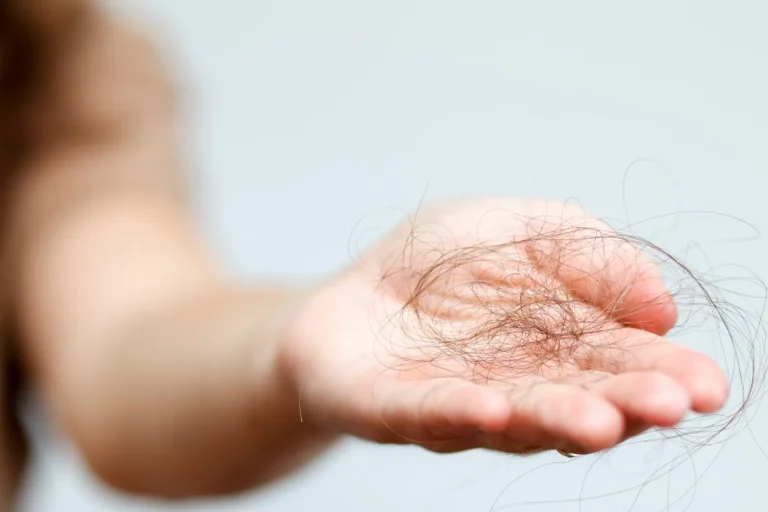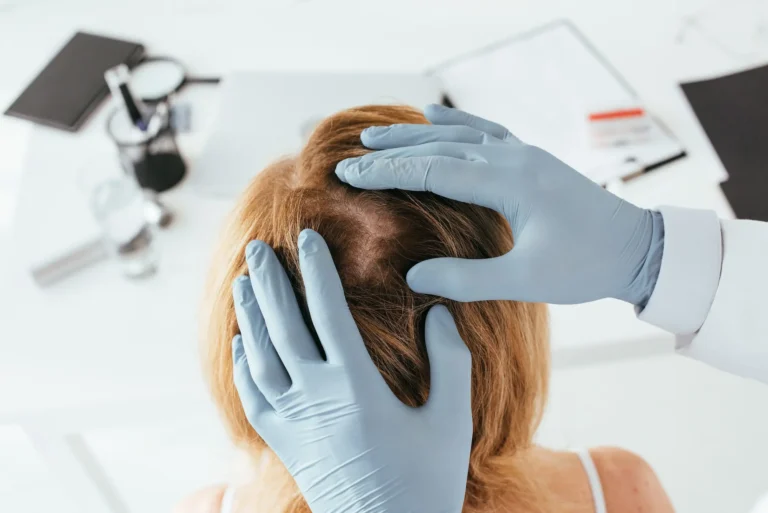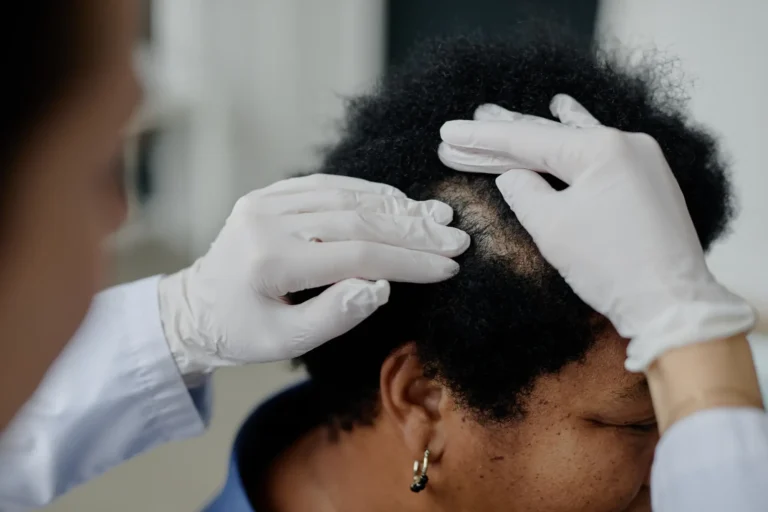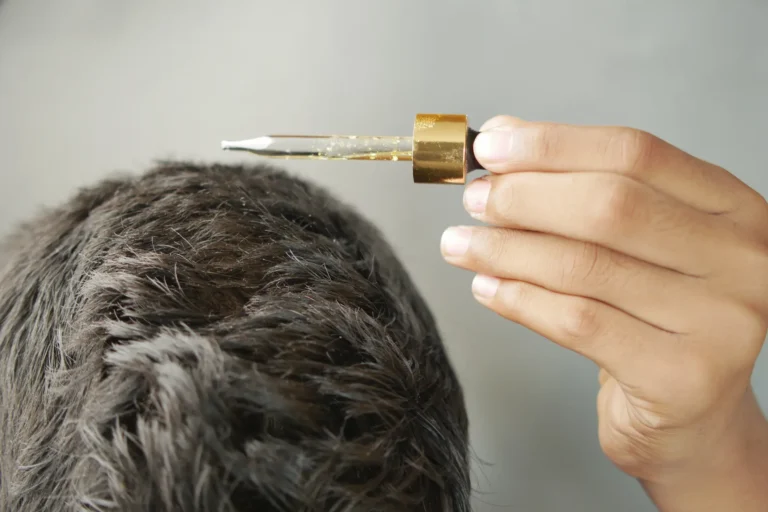
Scalp PRP (platelet-rich plasma) is one of the most evidence-supported non-surgical treatments for hair loss — with multiple randomized controlled trials demonstrating significant reduction in shedding and improvement in hair density. At Millennium Medical Center, PRP is physician-prepared, physician-injected, and integrated into a comprehensive hair loss management plan by Dr. Shayma, MD.
Platelet-rich plasma is prepared from your own blood by centrifugation — concentrating the platelets containing the growth factors essential to tissue repair. When injected directly into the scalp at the level of the hair follicles, these growth factors stimulate follicular stem cells, extend the anagen growth phase, improve micro-vascular blood supply to follicles, and reduce the follicular inflammation that accelerates miniaturization in androgenetic alopecia.
Hair PRP at Millennium means your blood is drawn, processed to concentrate growth factors, and injected into your scalp by Dr. Shayma using a precise multi-injection technique at follicular depth. Most patients notice less shedding within 6–8 weeks and visible density improvement at 3–6 months. Most effective when started before significant follicular loss.
No single hair loss treatment addresses all contributing factors. PRP provides growth factor stimulation; minoxidil extends the anagen phase through vasodilation; nutritional repletion removes deficiency-driven shedding; and hormonal management addresses the androgen excess or estrogen decline driving follicular miniaturization. Dr. Shayma plans the combination that matches your specific drivers.
Dr. Shayma evaluates your hair loss type, follicular density by trichoscopy, and underlying drivers before planning the PRP protocol.
01
The strongest evidence base for scalp PRP — both male and female pattern hair loss responds. Most effective in early to moderate stages before extensive follicular miniaturization. Multiple RCTs confirm significant improvements in hair density and thickness. PRP also accelerates recovery from telogen effluvium by stimulating dormant follicles back into the anagen phase — most effective when concurrent nutritional deficiencies are corrected simultaneously.
02
Post-partum hair shedding peaks at 3–6 months after delivery — PRP helps restore follicular activity and shorten the recovery timeline, particularly when combined with iron and nutritional repletion. Hair thinning associated with thyroid dysfunction, perimenopause, or androgen excess responds to PRP as an adjunct to hormonal treatment.
03
Scalp PRP is used to support and maintain hair transplant results — improving graft survival, accelerating recovery, and preserving native hair surrounding transplanted zones. Emerging evidence also supports scalp PRP as an adjunct in mild to moderate alopecia areata — stimulating follicular re-entry into the anagen phase in affected patches.
04
Hair thinning associated with thyroid dysfunction, perimenopause, or androgen excess responds to PRP as an adjunct to hormonal treatment. PRP supports follicular health while hormonal management addresses the root driver — combination therapy produces better outcomes than either alone.
Hair PRP at Millennium is performed by Dr. Shayma, MD following a thorough clinical assessment. PRP is prepared using your own blood — eliminating allergy and rejection concerns. PRP preparation follows clinical-grade protocols using FDA-cleared PRP processing systems achieving 3–5× platelet concentration.
Hair PRP at Millennium is performed by Dr. Shayma, MD following a thorough clinical assessment. PRP is prepared using your own blood — eliminating allergy and rejection concerns. PRP preparation follows clinical-grade protocols using FDA-cleared PRP processing systems achieving 3–5× platelet concentration.
Topical numbing cream applied 30–45 minutes before treatment. Blood draw, PRP preparation (approximately 15 minutes), then systematic injection into the scalp at follicular depth by Dr. Shayma. Mild redness and soreness for 24–48 hours. No vigorous exercise, hot showers, or swimming for 24 hours.
Every Hair PRP session at Millennium uses clinical-grade PRP preparation achieving 3–5× platelet concentration, physician injection with systematic coverage of the full treatment zone, and trichoscopic follow-up at 6 months to objectively assess response.
PRP is most effective when follicular units are still present and active — before significant miniaturization has occurred. Early to moderate hair loss, active shedding from telogen effluvium, and postpartum hair loss respond best.
PRP is most effective when follicular units are still present and active — before significant miniaturization has occurred. Early to moderate hair loss, active shedding from telogen effluvium, and postpartum hair loss respond best.
PRP candidates should not have active scalp infections, platelet disorders, thrombocytopenia, or be on anticoagulants that cannot be paused. Full health screening is conducted at consultation.
Patients who are pregnant or breastfeeding, have active infection in the treatment area, or have unrealistic expectations about outcomes should wait or reconsider. Patients with long-standing baldness where follicular units have been replaced by fibrous tissue will see limited benefit.
Dr. Shayma reviews your hair loss history, trichoscopic findings, lab results, and current treatments. PRP protocol (sessions, treatment zones, combination with Scalp Solution or topicals) is planned based on your specific presentation and hair loss drivers. Initial consultation.
01
Dr. Shayma reviews your hair loss history, trichoscopic findings, lab results, and current treatments. PRP protocol (sessions, treatment zones, combination with Scalp Solution or topicals) is planned based on your specific presentation and hair loss drivers. Initial consultation.
02
Approximately 20–30ml of blood is drawn and processed in a clinical-grade centrifuge for 8–12 minutes. The resulting PRP is inspected for quality. This occurs while topical numbing cream takes effect on your scalp. 15 min preparation.
03
Dr. Shayma injects PRP into the scalp at the level of the hair follicle bulge using a fine needle. Injections follow a systematic grid pattern across the treatment area — covering the full zone rather than spot-treating visible areas only. 20–30 min.
04
Initial series: 3–4 sessions spaced 4–6 weeks apart. Shedding reduction often noticeable by session 2. Visible density improvement at 3–6 months. Trichoscopy and labs at 6 months. Maintenance: every 4–6 months to sustain results long-term.
The four pillars of medical credibility — and why physician-led Hair PRP produces better outcomes than delegated or unmonitored alternatives.
Dr. Shayma has performed scalp PRP as part of comprehensive hair restoration plans for patients across the range of hair loss presentations — early androgenetic alopecia, postpartum shedding, hormone-related thinning, and post-chemotherapy recovery.
As a board-certified internist, Dr. Shayma evaluates and manages the hormonal and nutritional drivers of hair loss concurrently with PRP — not in isolation. This integrated approach produces better outcomes than PRP alone.
PRP preparation at Millennium follows clinical-grade protocols using FDA-cleared systems. Platelet concentration, growth factor viability, and injection technique are held to the same standards applied in clinical trial settings.
Dr. Shayma provides objective monitoring of PRP response using repeat trichoscopy and lab assessment at 6 months — giving patients actual data on whether treatment is working, not just subjective impressions.
The most common questions patients ask about scalp PRP for hair loss at Millennium Medical Center.
Does PRP work for hair loss?
Multiple randomized controlled trials have demonstrated that scalp PRP injections significantly reduce hair shedding and increase hair density in patients with androgenetic alopecia. PRP is most effective in early to moderate hair loss — it preserves and strengthens existing follicles rather than regenerating follicles dormant for many years.
A standard hair PRP protocol involves 3–4 initial sessions spaced 4–6 weeks apart, followed by maintenance injections every 4–6 months. Most patients begin noticing reduced shedding after the second session, with visible density improvement at 3–6 months.
Topical numbing cream is applied to the scalp before every PRP session. Most patients report mild pressure and pinching sensations during injection — not significant pain. Post-treatment soreness for 24–48 hours is common and managed with OTC pain relief.
Shedding reduction is often the first noticeable change — typically after the second session (8–12 weeks into the initial series). Visible improvement in hair density and thickness usually becomes apparent at 3–6 months as treated follicles re-enter the anagen growth phase.
Yes — PRP and minoxidil work through complementary mechanisms and are not contraindicated together. Minoxidil extends the anagen phase through vasodilation; PRP provides growth factor stimulation at the follicular level. Many patients using both see better outcomes than with either treatment alone.
Begin Your Journey
Whether you are coming in for internal medicine, aesthetic care, or to explore a physician-led treatment plan built around your health — Millennium Medical Center is ready to see you. Book your consultation today and experience care that starts from within.