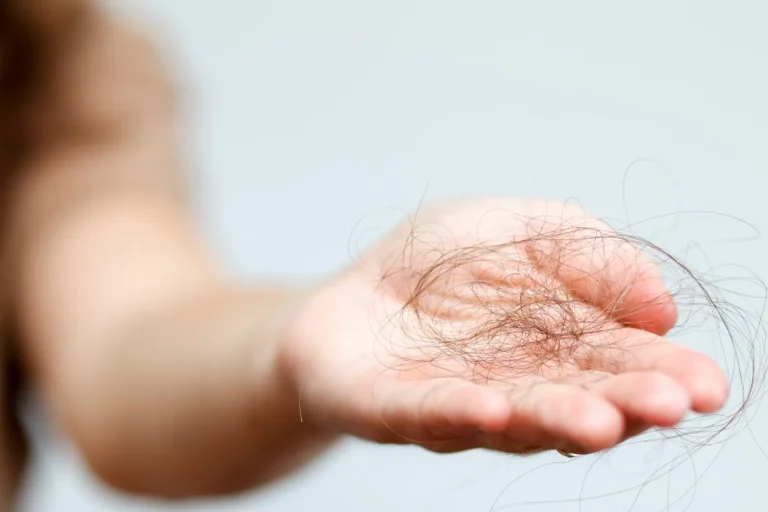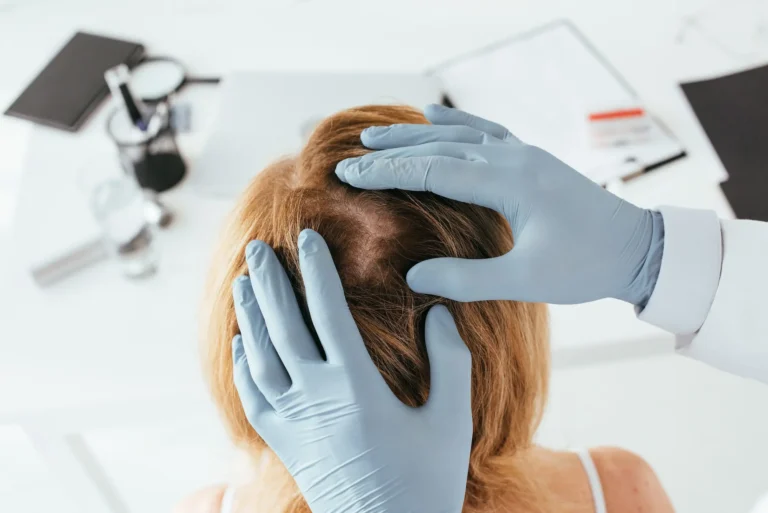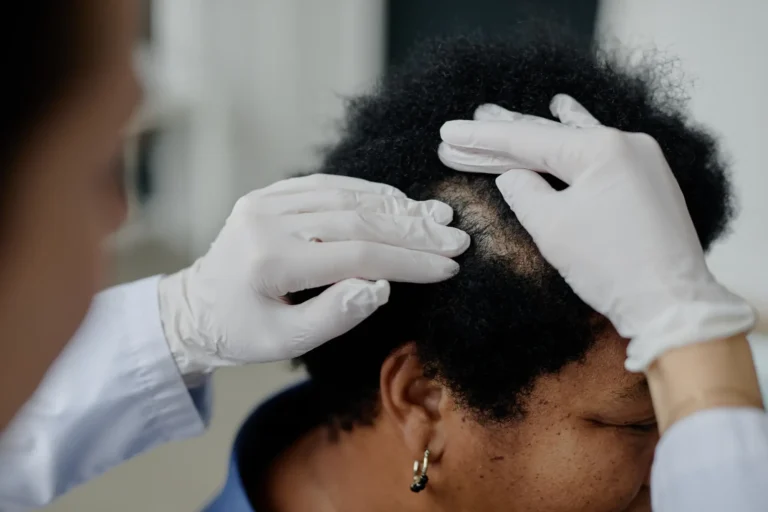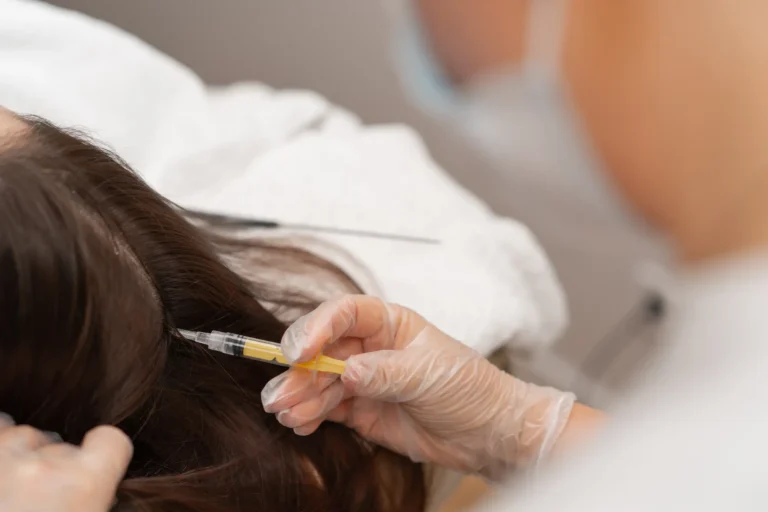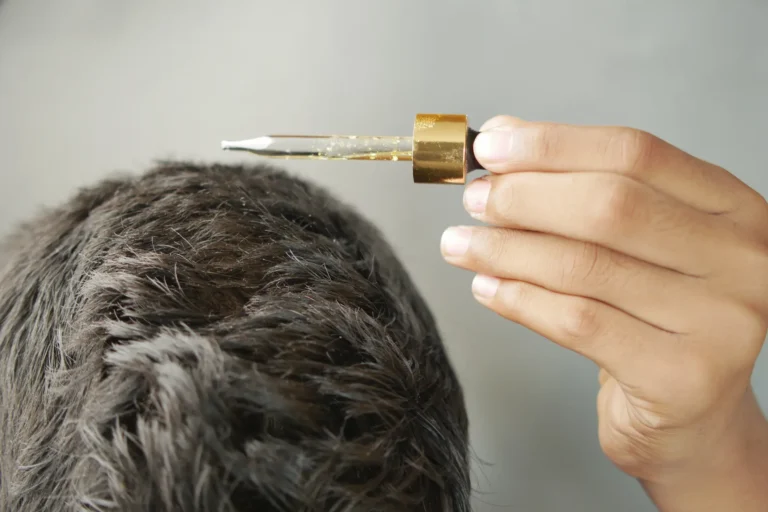
Chemotherapy-induced alopecia (CIA) is among the most distressing side effects of cancer treatment — and the recovery phase that follows deserves the same medical attention as the treatment itself. At Millennium Medical Center, Dr. Shayma, MD provides physician-supervised post-chemotherapy scalp care that supports recovery of follicular health, accelerates hair regrowth, and addresses the scalp conditions that frequently accompany oncology treatment.
In the vast majority of patients, hair regrowth begins 2–3 months after the final chemotherapy cycle. But the post-chemotherapy recovery phase presents its own challenges: the scalp emerges from treatment often sensitized, with a disrupted skin barrier, altered microbiome, and compromised vascular supply to the follicles. Some patients — particularly those on taxane-based regimens or long-term aromatase inhibitor therapy — experience incomplete recovery requiring ongoing management.
Post-chemotherapy scalp care at Millennium means a physician who understands oncology, scalp biology, and nutritional recovery evaluates your current status, supports your scalp health through the sensitivity phase of recovery, and — when oncologically appropriate — uses scalp PRP and nutritional optimization to accelerate hair regrowth. Every step is coordinated with your cancer care team.
A subset of patients — particularly those on taxane-based regimens (docetaxel, paclitaxel) and those on long-term aromatase inhibitor or tamoxifen therapy — experience incomplete recovery or persistent significant thinning. Dr. Shayma evaluates for PCIA, distinguishes it from other treatable causes, and offers PRP and scalp protocol options for appropriate patients.
Dr. Shayma provides scalp care through every phase of post-chemotherapy recovery — with all treatments coordinated with your oncology team.
01
Guidance on gentle, barrier-supporting scalp care during the sensitive post-treatment phase — fragrance-free product selection, scalp pH management, treatment of contact dermatitis or seborrheic dermatitis that emerges during recovery. Scalp PRP initiated after oncology clearance to stimulate follicular re-entry into the growth phase — potentially accelerating the regrowth timeline and improving density of returning hair.
02
Comprehensive nutritional panel identifying deficiencies from treatment — iron, ferritin, vitamin D, zinc, B12 — with targeted repletion protocol and protein intake optimization. Evaluation and management of persistent chemotherapy-induced alopecia — distinguishing taxane-related PCIA from other treatable causes and offering PRP, minoxidil, and scalp protocol options for patients with incomplete recovery at 12+ months post-treatment.
03
Long-term management of hair thinning on aromatase inhibitors or tamoxifen — scalp PRP maintenance, minoxidil, targeted supplementation, and monitoring throughout the course of endocrine therapy. All scalp treatments are initiated with oncologist clearance. Dr. Shayma communicates with your cancer care team to ensure post-chemotherapy scalp care is appropriate and well-timed.
04
Long-term management of hair thinning on aromatase inhibitors or tamoxifen — scalp PRP maintenance, minoxidil, targeted supplementation, and monitoring throughout the course of endocrine therapy.
All scalp treatments are initiated with oncologist clearance and coordinated with your cancer care team. PRP and other active treatments are only initiated when you are oncologically stable and your oncologist has confirmed appropriateness.
All scalp treatments are initiated with oncologist clearance and coordinated with your cancer care team. PRP and other active treatments are only initiated when you are oncologically stable and your oncologist has confirmed appropriateness.
An initial evaluation of your chemotherapy regimen, current medications, scalp condition, and stage of hair recovery. Trichoscopic evaluation, nutritional panel, and scalp barrier care protocol initiated — followed by PRP when oncologically appropriate.
Millennium obtains oncologist clearance before initiating any scalp treatment in post-chemotherapy patients. Dr. Shayma communicates directly with your cancer care team at every stage.
Slower than expected regrowth, ongoing scalp sensitivity, incomplete recovery at 6+ months, or scalp conditions that emerged during treatment are all appropriate reasons to seek physician-supervised scalp care.
Slower than expected regrowth, ongoing scalp sensitivity, incomplete recovery at 6+ months, or scalp conditions that emerged during treatment are all appropriate reasons to seek physician-supervised scalp care.
Aromatase inhibitors and tamoxifen cause ongoing hair thinning in a significant proportion of patients. This requires ongoing management rather than a one-time treatment. Dr. Shayma provides long-term scalp health support throughout endocrine therapy.
Dr. Shayma communicates with your oncologist before initiating any active scalp treatment — providing transparency and coordination that ensures scalp care fits safely within your overall oncological management.
Dr. Shayma reviews your chemotherapy regimen, current oncological status, medications (including endocrine therapy), scalp condition, and the current stage of hair recovery. She communicates with your oncologist before initiating any treatment. Initial visit · 30–45 min.
01
Dr. Shayma reviews your chemotherapy regimen, current oncological status, medications (including endocrine therapy), scalp condition, and the current stage of hair recovery. She communicates with your oncologist before initiating any treatment. Initial visit · 30–45 min.
02
Trichoscopic evaluation of follicular activity and scalp condition. Nutritional panel to identify post-treatment deficiencies. Any active scalp condition is identified and treated first — before PRP or other treatments begin.
03
Scalp care protocol initiated: barrier-supportive product guidance, treatment of any active scalp condition, and targeted nutritional repletion based on labs. This phase supports the scalp environment for optimal follicular recovery while PRP timing is planned.
04
Scalp PRP series (typically 3 sessions over 3 months) initiated when oncologically appropriate. Trichoscopy at 3 and 6 months documents regrowth progress. For patients on long-term endocrine therapy, ongoing scalp management continues with maintenance PRP every 4–6 months.
The four pillars of medical credibility — and why physician-led Post-Chemo Scalp Care produces better outcomes than delegated or unmonitored alternatives.
Dr. Shayma provides post-chemotherapy scalp care with the sensitivity, medical awareness, and clinical depth that cancer recovery requires. She has worked with patients recovering from breast cancer, lymphoma, and other malignancies — understanding both the oncological context and the hair and scalp consequences of treatment.
Post-chemotherapy scalp care at Millennium is physician-led at every step. Dr. Shayma’s internal medicine background provides the pharmacological knowledge to understand chemotherapy regimens, endocrine therapy effects, and the full physiological context of post-oncology recovery.
Millennium Medical Center obtains oncologist clearance before initiating any scalp treatment in post-chemotherapy patients. Dr. Shayma communicates directly with your cancer care team — providing transparency and coordination that ensures scalp care fits safely within your overall oncological management.
Dr. Shayma approaches post-chemotherapy scalp care with the recognition that patients recovering from cancer are not simply hair loss patients — they are people navigating the full complexity of cancer survivorship. Her care is medically sound, honestly communicated, and delivered with compassion.
The most common questions patients ask about post-chemotherapy hair recovery at Millennium Medical Center.
Does hair grow back after chemotherapy?
Yes — in the vast majority of patients, hair regrows after chemotherapy. Regrowth typically begins 2–3 months after the last cycle, with visible hair at 3–6 months and near-complete regrowth by 9–12 months. Some patients — particularly those on taxane regimens or long-term aromatase inhibitors — experience slower or incomplete recovery.
Emerging evidence suggests that scalp PRP may accelerate post-chemotherapy hair recovery — stimulating follicular re-entry into the anagen phase and improving scalp vascularity compromised during treatment. PRP is initiated after confirmation that chemotherapy has concluded and the patient is oncologically stable.
Timing depends on your specific chemotherapy regimen, current medications, and your oncologist’s guidance. Generally, non-invasive scalp care (gentle products, nutritional support) can begin immediately. More active treatments like scalp PRP are typically initiated 4–8 weeks after the final chemotherapy cycle with oncologist clearance.
Aromatase inhibitors cause ongoing hair thinning in a significant proportion of patients because they profoundly suppress estrogen. This requires ongoing management rather than a single course of treatment. Dr. Shayma provides long-term scalp management for patients on endocrine therapy, including maintenance PRP, minoxidil, and targeted supplementation.
No referral is required. However, Dr. Shayma will contact your oncologist directly to communicate about your treatment history and obtain clearance before initiating any scalp treatments. Bring documentation of your chemotherapy regimen and any current medications to your first appointment.
Begin Your Journey
Whether you are coming in for internal medicine, aesthetic care, or to explore a physician-led treatment plan built around your health — Millennium Medical Center is ready to see you. Book your consultation today and experience care that starts from within.