
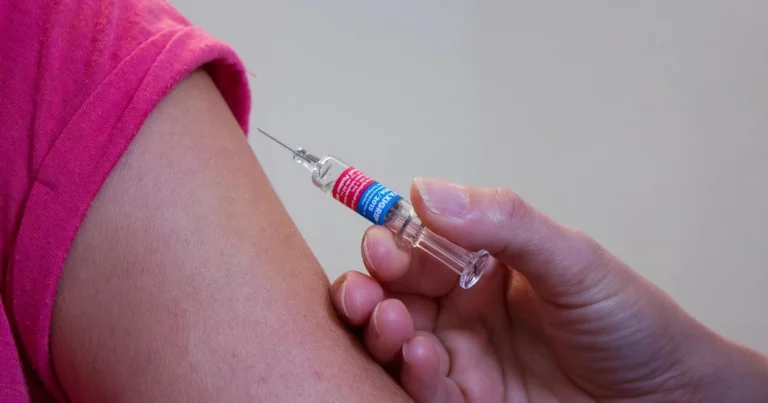
Adult vaccinations help protect you against infections such as influenza, shingles, pneumococcal disease, tetanus and whooping cough. Childhood vaccines do not cover every disease for life. Some protection fades, some vaccines are only recommended later in adulthood, and new vaccines become available over time.
In the United States, the CDC publishes an adult immunization schedule that lists recommended vaccines for adults by age and health condition. These recommendations change as evidence and public health guidance are updated, so a schedule you saw five years ago may no longer apply.
Your age, past vaccines, medical history, job, lifestyle and travel plans all shape what you need. Some vaccines need a single dose, some need a series, and some need vaccine booster shots at set intervals. Not every adult needs every vaccine. The simplest starting point is a review of your vaccination history with a physician. At Millennium Medical Center & Spa in Falls Church, Dr. Shayma can do that review at a dedicated vaccine visit or as part of your annual physical.
What Vaccines Are Recommended for Adults?
The recommended vaccines for adults usually include a yearly flu vaccine, a tetanus-containing vaccine every 10 years, and other vaccines based on age, health and risk. The categories below follow the CDC’s adult schedule. They are not a universal checklist, and current guidance should be confirmed with your provider.
| Vaccine | Who it is generally recommended for | Typical timing |
| Influenza (flu) | Adults 19 and older | One dose each flu season |
| COVID-19 | Based on individual-based decision-making with a provider | Depends on current CDC guidance and past doses |
| Tdap / Td | All adults | One Tdap dose if never received, then Td or Tdap every 10 years |
| Shingles (RZV) | Adults 50 and older, and some younger adults with weakened immunity | Two-dose series |
| Pneumococcal | Adults 50 and older, and younger adults with certain conditions | Depends on vaccine type and past doses |
| Hepatitis B | Adults 19 to 59, and older adults with risk factors or who request it | Two- to four-dose series, depending on the vaccine |
| Hepatitis A | Adults at risk, or any adult who requests it | Two- or three-dose series |
| HPV | Adults through age 26; ages 27 to 45 after discussion with a provider | A series of doses; the number depends on the age you started |
Source: CDC Adult Immunization Schedule Notes. Check the current version before relying on this table.
Influenza vaccine
The CDC recommends one age-appropriate flu vaccine each year for adults. Flu viruses change, so the vaccine is updated each season. For adults 65 and older, the CDC prefers certain higher-dose, recombinant or adjuvanted flu vaccines.
COVID-19 vaccines
COVID-19 vaccine recommendations have changed several times. The CDC’s most recent COVID-19 vaccination guidance recommends vaccination based on individual-based decision-making, with the greatest benefit for people at higher risk of severe illness. Your age, health and previous doses all affect what a provider may advise.
Tetanus, diphtheria and pertussis (Tdap and Td)
Tdap protects against tetanus, diphtheria and pertussis (whooping cough). Td protects against tetanus and diphtheria only. The CDC’s tetanus vaccine recommendations advise a booster every 10 years for adults.
Shingles vaccine
Shingles is a painful rash caused by the same virus as chickenpox. The CDC recommends two doses of the recombinant shingles vaccine for adults 50 and older, and for adults 19 and older with weakened immune systems, as outlined in its Shingrix recommendations.
Pneumococcal vaccines
Pneumococcal bacteria can cause pneumonia, blood infections and meningitis. The CDC’s pneumococcal vaccine recommendations now include all adults 50 and older, plus younger adults with certain medical conditions.
Hepatitis A and hepatitis B vaccines
Both protect the liver from viral infections. Hepatitis B vaccination is routine for adults 19 to 59. Hepatitis A vaccination is recommended for people with certain risks, such as some travel or liver conditions, and for any adult who asks for it.
HPV vaccine
The human papillomavirus (HPV) vaccine helps prevent infections linked to cervical, anal, throat and other cancers. It is routine through age 26. Adults aged 27 to 45 may receive it after discussing the benefits with their provider.
Other vaccines
Some adults need vaccines because of their circumstances. Examples include MMR or chickenpox vaccines for people without evidence of immunity, RSV vaccines for older adults, meningococcal vaccines for certain risk groups, and travel vaccines such as typhoid or yellow fever.
How Often Should Adults Get Vaccinations and Booster Shots?
There is no single timetable. Some vaccines are given once a season, some as a series of doses, and some as a booster every few years. The vaccine, your history and current guidance set the timing.
Here are the main patterns:
- Vaccine series: Some vaccines, such as hepatitis B or shingles, need more than one dose to build full protection. Missing a dose can leave you less protected.
- Booster doses: A booster is an extra dose that tops up protection that has faded. Tetanus-containing vaccines are the most common example, with a booster every 10 years.
- Seasonal vaccines: Flu vaccines are given every year because the virus changes and protection wanes.
- Updated vaccines: COVID-19 vaccines are updated as the virus changes, and recommendations for who should receive them have shifted with new guidance.
- Incomplete records: If you started a series but did not finish it, you often do not need to restart. Your provider can check the schedule and advise on the next dose.
- Extra doses for higher risk: Some adults need additional or different doses because of a medical condition, a treatment or exposure risk.
Booster timing varies by vaccine. Follow the applicable adult immunization schedule and your provider’s advice rather than assuming every vaccine follows the same interval.
Which Adult Vaccinations Are Recommended Based on Age and Health?
Adult vaccinations change across life stages. Age affects eligibility for some vaccines, while health conditions, travel and work can add others.
Young and middle-aged adults
This is a good time to check whether childhood and adolescent vaccines were completed. Common gaps include an incomplete hepatitis B or HPV series, a missing Tdap dose or no record of MMR immunity. Health, exposure and lifestyle may also point to other vaccines.
Adults approaching or over age 50
Turning 50 opens eligibility for some vaccines, including the shingles vaccine and pneumococcal vaccines. That does not mean every vaccine becomes necessary on your 50th birthday. Each vaccine has its own eligibility age, and a provider can help you plan the order.
Older adults
Older adults are more likely to have serious complications from infections such as flu, pneumonia and RSV. Vaccination reviews matter more with age. Relevant vaccines may include a preferred flu vaccine for people 65 and older, COVID-19, pneumococcal, shingles and RSV vaccines, depending on current guidance and past doses.
Adults with certain health conditions
Conditions such as diabetes, heart disease, lung disease, kidney or liver disease, and a weakened immune system can change which vaccines are recommended and when. Some treatments, such as chemotherapy or medicines that suppress the immune system, may affect vaccine type and timing. The CDC’s schedule by medical condition shows how these factors change recommendations. Speak with your provider before vaccination if your health or treatment may affect eligibility. Pregnancy can also change which vaccines are advised.
Adults with travel or occupational risks
Travel destinations and work settings can increase exposure to certain diseases. Healthcare workers, laboratory staff and people who travel overseas may need extra vaccines. Check the CDC’s travel vaccine guidance for your destination, and confirm any workplace requirements with your employer or institution.
How Can You Keep Your Vaccination Records Up to Date?
Keep a single personal record of every vaccine, the date you received it and where you received it. Then share it with your provider at each visit. There is no national vaccine record, so you often need to piece it together.
Practical steps:
- Collect what you have. Check with parents or caregivers for childhood records, and look for old school or college health forms.
- Ask previous providers. Past doctors, clinics, pharmacies and former employers (including the military) may hold records.
- Check your state registry. Virginia residents can request their immunization record through the Virginia Department of Health. Residents of Maryland or DC can contact their own health department.
- Write down vaccine names and dates. Note the brand or type where possible, such as “Tdap” or “RZV”.
- Track series and boosters. Record which doses of a series you have completed and when your next booster is due.
- Ask about gaps. A provider can advise what to do when a record is missing or uncertain.
- Review at routine visits. Bring your record to your annual physical or other preventive appointments.
The CDC’s guide to staying up to date with vaccine records notes that some vaccines can be safely repeated if records cannot be found, and that blood tests can sometimes check immunity. Missing paperwork does not automatically mean you need to repeat every vaccine. The right next step depends on the vaccine, your available records and clinical guidance.
Why Are Routine Vaccinations Important for Adults?
Routine vaccinations help lower your risk of certain infections and, for many vaccines, reduce the chance of severe illness and complications. They are one part of good preventive care.
Help reduce the risk of vaccine-preventable diseases
Vaccines train your immune system to recognize specific germs. Depending on the vaccine, this can lower the chance of infection, serious illness, hospital stays or long-term complications. No vaccine offers complete protection for everyone.
Support individual health
Staying up to date matters most for people at higher risk of complications. This includes older adults, pregnant people and adults with chronic conditions such as diabetes or lung disease.
Help protect vulnerable people
Some vaccines can help reduce the spread of certain infections. That can help protect babies, older relatives and people who cannot be vaccinated. The effect on spread differs from one vaccine to another.
Maintain preventive healthcare habits
A vaccination review fits naturally into an annual physical or internal medicine visit. It works alongside other preventive care, such as blood pressure checks, cancer screening and routine blood tests.
Choosing the Right Adult Vaccination Schedule
The right schedule is personal. A healthcare professional can build a plan from your history rather than a one-size-fits-all checklist.
Your provider may review:
- Your age and relevant health risks.
- Previous vaccines and documented doses.
- Medical conditions and immune status.
- Current medications and treatments.
- Pregnancy status, where relevant.
- Your job and possible exposures.
- Upcoming travel plans.
- Current public health recommendations.
Questions worth asking at your appointment:
- Which vaccines am I currently due for?
- Do I need any booster shots?
- Are any of my vaccine series incomplete?
- Are any vaccines recommended because of my age or medical history?
- Can I have more than one vaccine at the same appointment?
- Are there any precautions I should discuss before vaccination?
Vaccine suitability and timing should be decided using current guidance and an individual assessment.
Adult Vaccinations and Preventive Care in the DC Metro Area
For adult vaccinations in the DC Metro Area, an internal medicine provider can review your history, find gaps and discuss which vaccines fit your age and health.
An internal medicine visit can bring the adult immunization schedule together with the rest of your preventive care in the DC Metro Area. Your provider can compare your records with the recommended vaccines for adults, check whether any series are unfinished and plan doses around other health needs.
If you are looking for an Internal Medicine Doctor in Falls Church, our adult vaccinations service at Millennium Medical Center & Spa begins with a review of your vaccination history. We offer flu, Shingrix (shingles), pneumococcal, Tdap/Td and hepatitis B vaccines, along with travel vaccines such as hepatitis A, typhoid and yellow fever based on your destination and risk. You can book a dedicated vaccine visit or add vaccines to yourannual physical and preventive care appointment. If you also need vaccination records for an immigration physical (I-693), mention it when you book so we can plan both together.
Vaccine stock, eligibility and costs can change, so please confirm them with us when you call. Our Aesthetic Medicine in the DC Metro Area treatments are booked separately.
Frequently Asked Questions
What vaccinations should adults get regularly?
Many adults get a flu vaccine every year and a tetanus-containing booster every 10 years. COVID-19 vaccination and other vaccines depend on age, health, immunization history and current recommendations. Not every adult needs every vaccine.
Which vaccines do adults need after age 50?
The shingles vaccine and pneumococcal vaccines become recommended for adults from age 50 under current CDC guidance. Other vaccines, such as RSV, depend on age and health. Check exact eligibility ages against current guidance with your provider.
How often should adults get a tetanus booster?
The CDC recommends a tetanus-containing booster (Td or Tdap) every 10 years for adults. You may need a dose sooner after certain wounds, depending on your vaccination history, so tell your provider if you have a deep or dirty cut.
Can adults receive multiple vaccines during one visit?
Yes, adults can often receive more than one vaccine at the same appointment. The CDC states that most vaccines can be given at the same visit as a flu vaccine, including COVID-19 and RSV vaccines. Confirm the right combination and timing with your provider.
Are adult vaccinations necessary if I was vaccinated as a child?
Yes, for many people. Childhood vaccines do not cover everything for life. Some need boosters, some vaccines are only recommended later in life, and changing health, work or travel can create new needs. Some adults also missed doses as children.
Staying Protected at Every Stage of Life
Adult vaccinations are not a one-off task. Your needs shift with age, health, work and travel, and public health guidance changes too. A short review with a healthcare professional is the clearest way to know which vaccines and booster shots apply to you.
Ready to check your vaccination history? Bring any records you have to your appointment with Dr. Shayma, our internal medicine doctor in Falls Church, and ask which recommended vaccines and boosters you may be due for. A vaccination review fits easily into routine preventive care. Contact us to check appointment and vaccine availability.
This article is general health information, not medical advice for your situation. Talk with a physician about your own symptoms and care. If you think you have a medical emergency, call 911.